
Spatial memory
Introducing re1: spatial memory for physical AI
Search recorded events, check the source video and revisit captured places in 3D.
re1 is a spatial memory system for physical AI. Search recorded observations, ask questions that lead back to source video, and inspect reconstructed places. The recordings here show those paths in the current research preview.
Find the observation
re1 / Spatial memory
Search a recording. Check the answer. Revisit the place.
01 / Retrieve
Find the observation you need.
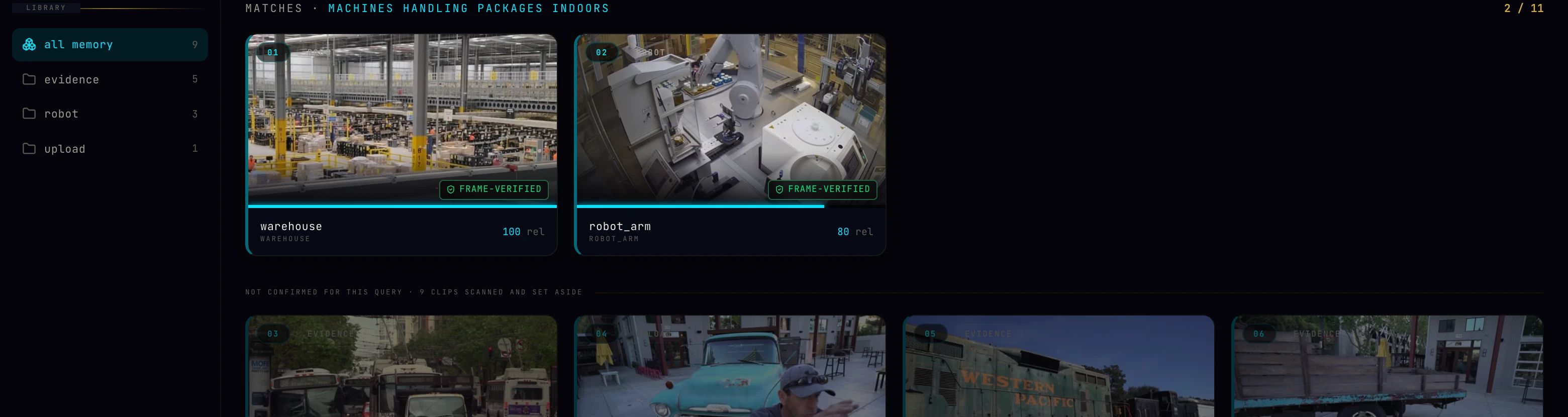
A search for machines handling packages indoors returns warehouse and robot-arm recordings. Open a match to inspect the source.
Query → recorded observationsProduct captureMachines handling packages indoors
 SearchOpenInspect
Actual search results. Open the image to inspect the original interface. 02 / Inspect
Follow an answer back to its source.
The captured answer cites 0:12–0:20 of the warehouse recording. The reader can open that interval and check the description against the video.
Answer → inspected intervalProduct captureRecorded response · excerpt
The packaging and sorting area is operating smoothly with multiple conveyor belts and robotic arms functioning as expected.
Source interval0:12–0:20
0:12–0:20Inspected source video
Excerpt from a recorded response. Its citation covers the stated interval. 03 / Revisit
Keep a place available after capture.
Move through a captured environment from a new viewpoint and inspect its objects. Prepared scenes remain available for later work.
Capture → persistent sceneProduct capture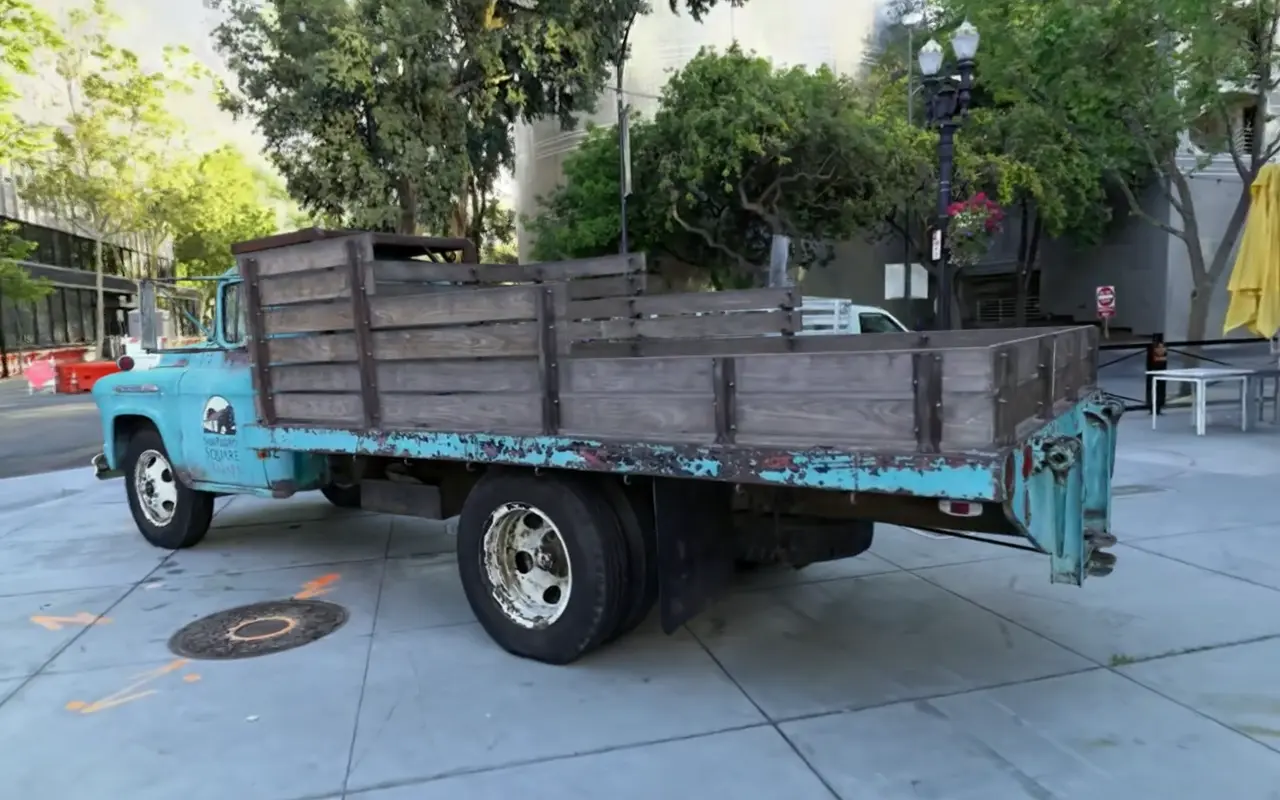
A place you can revisitCompleted scene
A frame from the completed reconstruction shown in the video on this page.
Captured in the re1 research preview.
Start with a description of what you want to find. In this example, “machines handling packages indoors” brings a warehouse and a robot-arm clip to the front of the library. Open a match to inspect what happened.
The search view distinguishes confirmed matches from other candidates. The image below is an actual capture from the product.
Inspect what the answer used
A response is easier to check when it names the interval behind it. Here, a request for a shift-log entry returns a description with a 0:12–0:20 citation. The reader can return to those eight seconds instead of accepting an account of the whole recording.
Recorded response · excerpt
The packaging and sorting area is operating smoothly with multiple conveyor belts and robotic arms functioning as expected.
Source interval0:12–0:20
An event absent from the cited interval may still appear elsewhere in the recording. The source remains available for the reader to inspect.
Keep the place available
The scene at the top of this page is a recorded view of a captured place in 3D. The camera moves through that place, exposing both its detail and incomplete regions. That scene persists after the original capture.
Researchers can inspect objects and prepare scene artifacts for simulation. Physical fidelity, including scale and material behavior, still needs validation for the intended experiment.
A memory that carries forward
Return to an earlier observation or reuse a prepared environment as the next experiment takes shape. The product page describes the current capabilities and includes the recorded preview.
re1 is in development, with technical previews available. We are working toward memory that helps researchers revisit experience, build useful simulation artifacts and improve the data available for policy training.
PRODUCT DETAILS
re1
Persistent video memory, scene reconstruction and simulation artifacts for physical-AI research.